How can you write a successful resume for an e-discovery specialist?
Checkout ATS compliant resume template for this role and our vast repository of resume templates.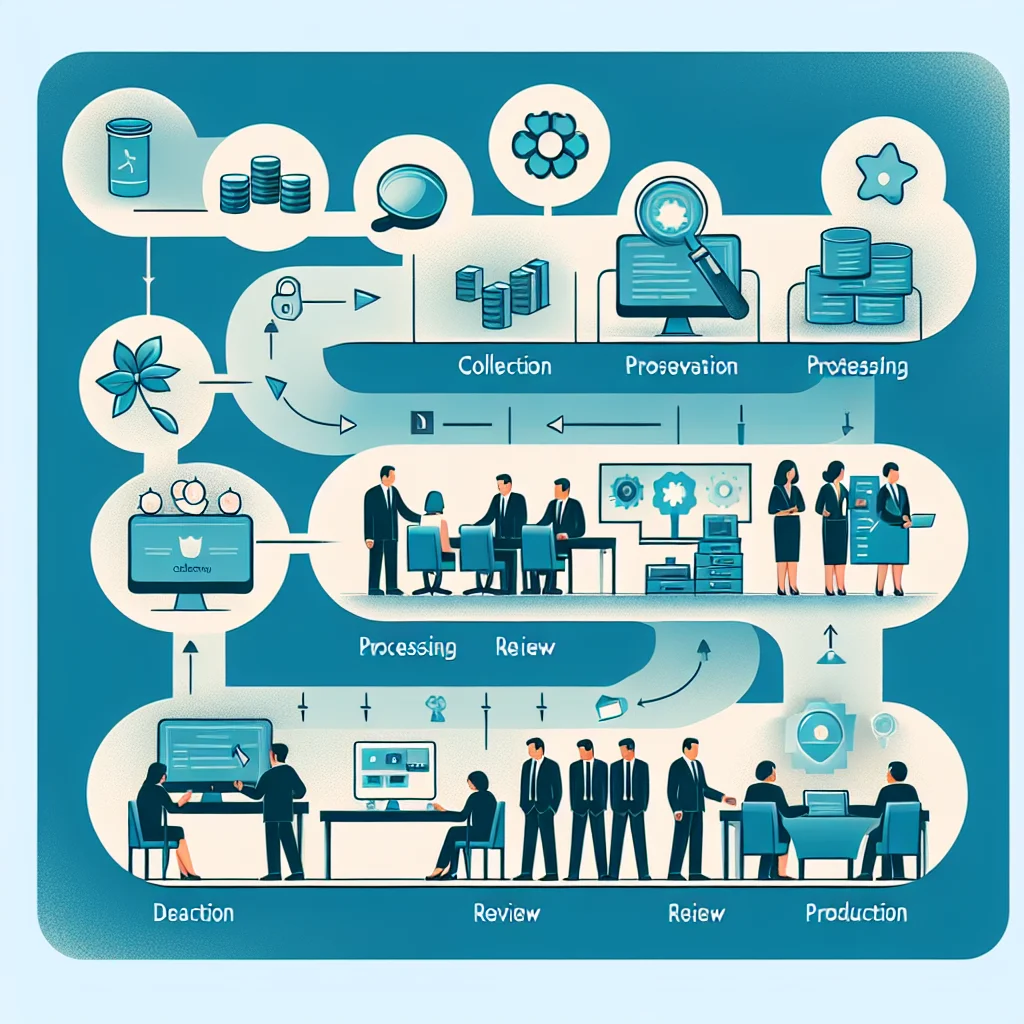
Why your e-discovery resume needs to stand out
The e-discovery job market is evolving fast. AI and TAR (technology-assisted review) are changing how legal teams handle large data sets. Employers want someone who can blend legal know‑how with tech skill, not just a list of tools. A strong resume helps you show that blend quickly.
Most firms use applicant tracking systems (ATS) to screen resumes. That means keywords matter. Words like EDRM, ESI, TAR, Relativity, and Nuix should appear where recruiters expect to see them. But you don’t want keyword stuffing to feel robotic. The best resumes weave these terms into meaningful statements about your work, not just a keyword list.
Think in terms of impact. Hiring managers care about outcomes you’ve influenced—faster review, lower cost, higher data integrity, and smoother vendor coordination. A resume that connects your daily tasks to business results will stand out more than a long list of duties.
Top 10 resume headlines for e-discovery specialists
- EDRM‑Expert E‑Discovery Specialist | Relativity & TAR Pro
- Relativity Certified Analyst | TAR & Predictive Coding Expert
- E‑Discovery Operations Lead | ESI Management & Vendor Oversight
- Senior E‑Discovery Specialist | Data Preservation & Case Strategy
- E‑Discovery and Litigation Support Professional | ESI Workflow Expert
- Junior E‑Discovery Analyst | ESI Review & Data Handling
- E‑Discovery Case Manager | Forensic Data Processing & Compliance
- Relativity & Nuix Specialist | ESI Processing & Production
- ACEDS‑Certified E‑Discovery Professional | Process Optimization
- Technical E‑Discovery Analyst | Data Culling & Automation Advocate
Check Your ATS Score
See how well your resume performs against Applicant Tracking Systems
Tips for headlines: make them specific to your strengths, mention key tools (Relativity, Nuix), and include a result or focus (TAR, vendor mgmt, production). Use headlines to signal seniority or a specialized niche if you have it.
Crafting a powerful profile summary
The profile summary is your elevator pitch. It should fit into 4–6 lines and quickly answer who you are, what you do, and what you’ve delivered. Start with your years of experience, then highlight core skills, tools, and a concrete achievement or two. Keep it readable and free of jargon your audience may not share.
Example profile summary:
Seasoned E‑Discovery Specialist with 6+ years handling Electronic Stored Information (ESI) across complex litigation. Expertise in Relativity workflows, TAR/predictive coding, and data preservation. Proven track record reducing review time and costs through targeted culling and efficient production procedures. Strong vendor management and cross‑functional collaboration with legal teams, IT, and outside counsel.
Why this works: it mentions experience, key skills, a couple of outcomes, and collaboration. It also uses terms ATS systems expect, like Relativity, TAR, and ESI.
Job achievement bullets that impress recruiters
A good achievement bullet follows a simple formula: action verb + task + metric + result. Keep it specific but not case‑level private data. Treat each bullet as a mini story of impact you had on a project or matter.
Here are 15 example bullets you can adapt by role and level:
- Led ESI collections for 10+ matters, ensuring data integrity and on‑time production for court filings.
- Implemented TAR and predictive coding, cutting review hours by a measurable margin while maintaining quality controls.
- Managed vendor relationships for data extraction and hosted review, boosting throughput by streamlining workflows.
- Designed and documented end‑to‑end e‑discovery workflows aligned with EDRM standards, reducing process variance.
- Optimized data processing pipelines in Nuix, reducing processing time and error rates across matters.
- Created reusable review templates and coding sets, improving consistency across teams and matters.
- Oversaw data preservation plans, ensuring chain‑of‑custody and defensible deletion where appropriate.
- Coordinated cross‑functional teams (legal, IT, vendors) to align discovery timelines with trial schedules.
- Automated routine exports and productions with scripts, saving hours per matter and reducing manual errors.
- Led large‑scale document reviews with thousands of custodians, achieving targeted review metrics with high accuracy.
- Implemented QC checkpoints that detected and corrected 99% of material integrity issues before production.
- Negotiated service levels with data vendors, lowering costs while preserving data fidelity and timeline adherence.
- Trained junior analysts on EDRM stages, Relativity best practices, and data handling standards.
- Created dashboards to track processing, review, and production metrics for senior stakeholders.
- Participated in mock TAR demonstrations to educate teams on threat modeling, risk, and mitigation.
Tip: Mix quantified wins with qualitative improvements. If you lack a precise number, reference a percentage improvement or a time saved, and always tie it back to business impact.
Skills section must‑haves for e‑discovery
Think of skills in two buckets: tools and core competencies. The right mix helps both ATS and human readers see you as a fit.
- Relativity platform and Relativity Analytics
- Nuix or other data processing tools
- EDRM phases: collection, preservation, processing, review, production
- SQL and scripting basics (Python, PowerShell)
- Forensics and data integrity concepts
- Vendor management and cross‑functional collaboration
- Data governance and defensible processing practices
- Document review workflows and quality control
- Communication and time management under deadlines
LSI keywords to weave into your resume: EDRM model, ESI collection, TAR processing, litigation support, document culling. Mentioning these helps search engines and recruiters see you as aligned with the field.
Create ATS-Compliant Resume
Build a professional resume that passes all ATS filters
Elevate your resume: certifications, projects & extras
- Relativity Certified Admin or Relativity Certified User
- ACEDS Certified E‑Discovery Specialist (CEDS)
- Vendor management certifications or courses
- Projects like a mock TAR demonstration, pilot automation, or data governance initiative
- Volunteer forensics work or non‑profit case reviews to show broader impact
- GitHub or portfolio links showing scripts or workflow diagrams
Examples of how to mention them in your resume: “Relativity Certified User (RCU) with hands‑on experience in TAR workflows” or “ACEDS CEDS credential with data preservation policy development.” For ongoing education, include dates and expected completion to show momentum.
Common mistakes to avoid + ATS checklist
A few pitfalls can tank a resume before a recruiter even sees your qualifications. Here are common missteps and how to fix them.
- Too long or dense paragraphs. Keep sections readable with short sentences and bullets.
- Overly generic phrases. Use specific tasks, tools, and outcomes instead of generic terms like “duties include.”
- Poor alignment with the job description. Tailor bullets and headlines to each role you apply for.
- Inconsistent formatting. Use a clean, ATS‑friendly layout and standard fonts.
- Missing keywords. Include EDRM, ESI, TAR, Relativity, Nuix, data preservation, and vendor management where relevant.
- Leaving out certifications or projects. These often clinch an interview for mid‑career candidates.
- Using images, charts, or unusual headers. ATS systems often stumble on non‑text content.
- Not optimizing for ATS. Use a simple, keyword‑rich format and avoid hiding content in headers/footers.
To help with ATS optimization, consider our ATS‑optimized resume checklist. It walks you through keyword placement, section order, and formatting practices. You’ll also find guidance on tailoring your resume for different e‑discovery roles and teams.
If you want to explore tools and platforms commonly used in the field, check our guide to e‑discovery tools and platforms for real‑world context and terminology you can reference in your resume.
Putting it all together: a quick resume structure you can copy
Headline: Choose one strong line from the list above that matches your experience.
Profile: A 4–6 line summary with years, core tools, and 1–2 outcomes.
Experience: For each role, list 3–5 bullets focusing on actions, tools, and results. Use the achievement formula and add a relevant metric.
Skills: A concise list of hard and soft skills tied to e‑discovery work.
Remember to tailor your resume for each application. Swap headlines, adjust achievements, and emphasize the tools and methods the job posting highlights. With the right headlines, a focused profile, and quantified achievements, you’ll make a strong impression on both ATS and human readers.
Optimize LinkedIn Profile
Enhance your LinkedIn presence to attract recruiters
About keywords and how they help your career move
Keywords bridge the gap between your day‑to‑day experience and what hiring teams search for. They also help your resume surface in internal databases and in recruiter searches. Along with the core terms, add related phrases like litigation support, data culling, forensic data analysis, and vendor coordination. This approach improves both relevance and discoverability without sacrificing readability.
To recap, you should develop a strong headline, a sharp profile, well‑crafted achievement bullets, and a clean skills list. Add credible certifications and practical projects to demonstrate your ongoing growth. Finally, avoid the common mistakes and use ATS‑friendly formatting to maximize visibility.
Ready to start? Review our recommended resources for further guidance and keep refining your resume against each new opportunity. Your e‑discovery journey starts with a resume that speaks clearly to both the business and the data it depends on.
Related Resume Guides
- How Do You Write A Winning Resume For Contract Specialist...
- How Can You Write A Successful Resume For A Corporate Lawyer
- Ip Paralegal Roles Resume
- Procurement Specialist (Government)
- Customer Retention Specialist (2026 Guide)
- Personalization Specialist
- How Can You Write A Successful Resume For An Seo Specialist